Slow Drains? Septic vs Plumbing Problem Guide
Slow drains usually don’t show up without a reason. Homeowners across Polk County, from Winter Haven to Davenport and Lake Wales, often notice sinks, tubs, or toilets draining slower than normal before realizing something deeper is going on. The challenge is figuring out whether it’s a simple plumbing issue or a warning sign of a septic system problem.
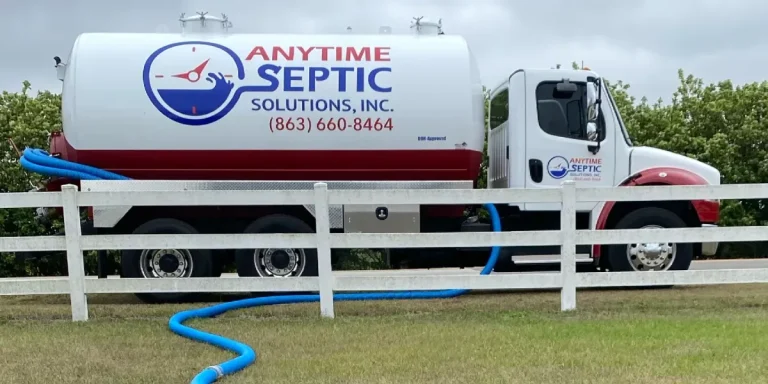
At Anytime Septic Solutions, we handle septic tank pumping, system inspections, drain field services, and full repair and replacement work. If your drains have suddenly slowed down, here’s how to tell what’s causing it and what to do next.
Signs Your Slow Drains May Be a Septic Problem
When a septic system starts to struggle, slow drains are often one of the first warning signs. Unlike isolated plumbing issues, septic-related problems usually affect multiple fixtures at the same time.
-
- Multiple drains slowing down at once, including sinks, tubs, and toilets
- Gurgling sounds coming from drains or toilets
- Sewage odors inside the home or outside near the yard
- Water backing up in lower-level fixtures first
- Soggy or wet areas forming near the drain field
If you’re seeing more than one of these symptoms, there’s a strong chance the issue is tied to your septic system rather than a simple blockage. In many cases, it means the tank is full or wastewater is not moving properly into the drain field, and the system needs immediate attention.
Signs It May Be a Plumbing Issue Instead
Not every slow drain points to a septic problem. In many homes, especially older properties in areas like Auburndale or Haines City, localized plumbing issues are common and usually easier to resolve.
-
- Only one drain is slow, such as a single sink or tub
- No odors or yard issues outside the home
- Drain improves temporarily after plunging or clearing
- Slow drainage limited to one area, like a kitchen or bathroom
These situations are typically caused by grease buildup, hair clogs, or debris in the line. While they still require attention, they are usually confined to a specific section of plumbing and do not involve the septic system.
What To Do Right Now If Your Drains Are Suddenly Slow
When drains slow down without warning, taking the right steps early can prevent a small issue from turning into a full system failure. The priority is to reduce strain on the system while figuring out whether the issue is a localized blockage or something that requires professional septic inspection. In many cases, acting early can avoid the need for larger repairs or a full system replacement.
Reduce Water Usage Immediately
If multiple drains are affected, it’s safest to assume the septic system may be involved. Reducing water usage helps prevent backups and gives the system time to stabilize, especially if the issue is related to a full tank that may already need septic tank pumping.
-
- Hold off on laundry and dishwashing
- Limit showers and water-heavy usage
- Avoid flushing unnecessarily
- Fix any active leaks contributing to flow
Even a properly functioning system can struggle when overloaded, and if there’s already a restriction, additional water can quickly push it into failure. If the issue turns out to be more extensive, options like septic financing can help handle unexpected repairs without delaying service.
Pay Attention to Patterns Across the Home
Before calling for service, it helps to understand whether the issue is isolated or system-wide. If only one drain is affected, it’s more likely a plumbing blockage. If the entire home is slowing down, the septic system should be evaluated with a full system inspection to determine if there’s a restriction, full tank, or drain field issue.
This distinction matters because septic-related problems tend to escalate quickly. Catching them early often means a simple service call instead of more involved repairs or a full system upgrade.
Avoid Chemical Drain Cleaners and Quick Fixes
When drains slow down, it’s common to reach for store-bought drain cleaners. While they may temporarily improve flow in minor plumbing clogs, they do not solve septic-related issues and can interfere with the system’s ability to function properly.
-
- They do not address full or restricted septic tanks
- They can disrupt the natural bacteria inside the system
- They may damage pipes and septic components over time
If the problem is septic-related, these products only delay proper service and can make the situation worse. It’s always better to have the system evaluated and, if needed, handled through proper pumping or repair, rather than relying on temporary fixes that don’t address the root cause.
How Septic Problems Cause Slow Drains
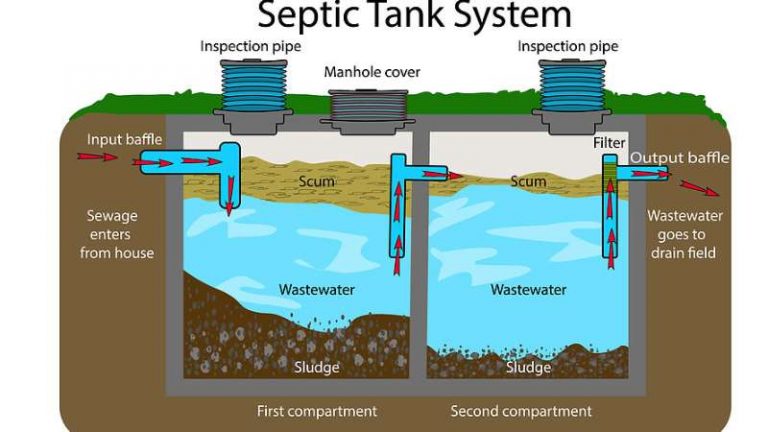
Septic systems rely on a balance between the tank and the drain field. When that balance is disrupted, drainage slows down across the entire home. In many cases, what starts as a slow drain is actually the first sign that the system is no longer processing wastewater efficiently and may need inspection or pumping.
-
- A full septic tank reduces available space for incoming wastewater
- Blocked outlet filters restrict flow leaving the tank
- Drain field saturation prevents wastewater from dispersing properly
- Line restrictions slow movement between the house and tank
In many Polk County properties, especially during periods of heavy rain, saturated soil conditions can impact how well the drain field functions, which contributes to slower drainage inside the home. When these issues are left unresolved, they can progress into larger system failures that may require repairs or even a full system replacement.
Addressing these problems early is what keeps repairs manageable. If a more significant issue is identified, options like financing can help homeowners move forward with the right solution without delaying necessary work.
What Happens During a Septic Inspection or Pumping
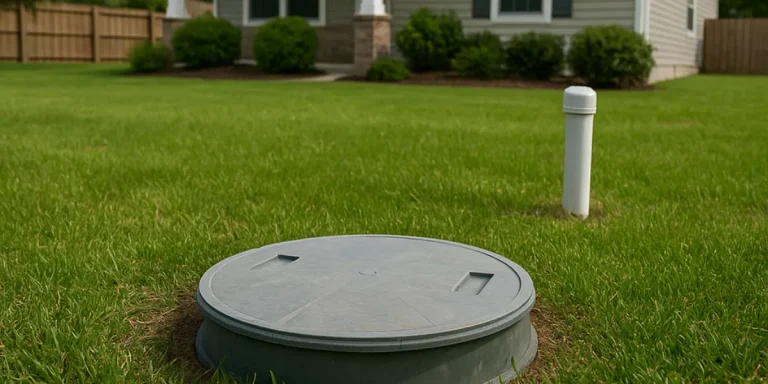
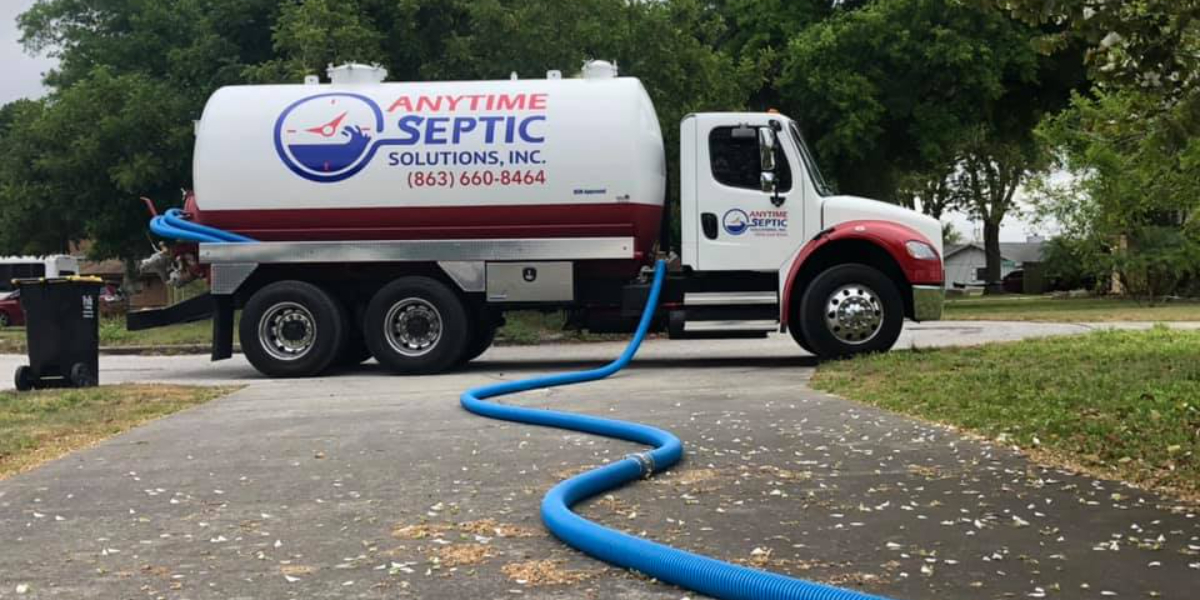
When slow drains are linked to the septic system, the next step is a professional evaluation. This typically involves both pumping and inspecting the system to identify the root cause.
-
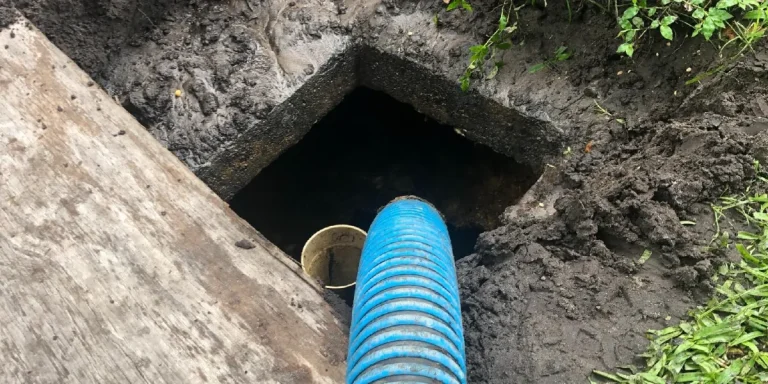
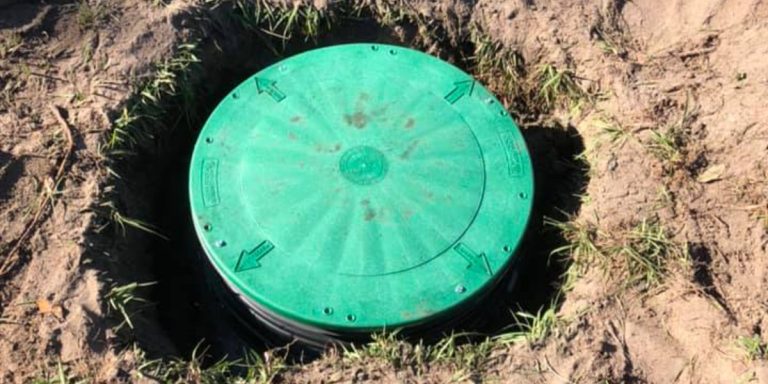
- The tank is located and opened for access
- Waste is pumped out completely
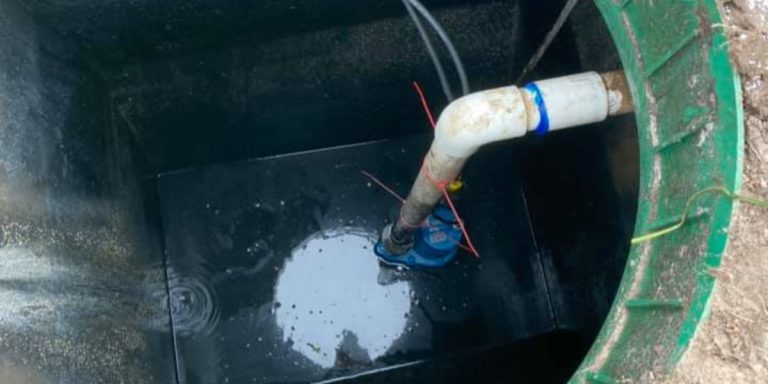
- Internal components like baffles and filters are checked
- Flow into and out of the system is evaluated
At Anytime Septic Solutions, our septic inspections are designed to identify not just the symptom, but the underlying cause, whether it’s buildup, blockage, or early system failure.
When Slow Drains Point to Bigger System Issues
If slow drains continue even after pumping, it’s usually a sign that the problem goes beyond a full tank. These situations require a deeper look at the system as a whole.
-
- Drain field failure preventing proper wastewater absorption
- Collapsed or damaged pipes restricting flow
- Improper system sizing for the household’s usage
- Recurring buildup issues due to usage habits
In these cases, repairs or a full system replacement may be necessary to restore proper function and prevent ongoing problems.
How to Prevent Slow Drains Going Forward
Once slow drains are resolved, keeping them from coming back comes down to maintenance and how the system is used day to day. Most septic-related drainage issues don’t happen suddenly, they build up over time due to excess solids, high water usage, or strain on the drain field.
Stay Consistent With Septic Pumping
Routine septic tank pumping every 3 to 5 years prevents solids from building up to the point where they restrict flow. Once that buildup starts, slow drains are usually the first sign.
Control What Goes Down the Drain
Materials like grease, wipes, and harsh cleaners don’t break down properly and can lead to faster buildup inside the tank. Keeping these out of the system helps maintain proper flow and reduces the chance of recurring issues.
Avoid Overloading the System With Water
Running large amounts of water in a short period can overwhelm the system and slow down drainage throughout the home. Spreading out water use and fixing leaks early helps the system keep up with demand.
Protect the Drain Field
The drain field needs stable, well-draining soil to function properly. Keeping vehicles off the area and directing excess water away helps prevent saturation that can lead to slow drains inside the home.
When these basics are handled consistently, most slow drain issues can be avoided before they turn into bigger septic problems.
Proudly Serving Polk County, Florida
We provide septic pumping, inspections, and system services throughout Polk County, including:
Get Clear Answers Before It Turns Into a Backup
If your drains have suddenly slowed down, the worst thing you can do is ignore it.
What starts as a minor slowdown can quickly turn into a full backup if the underlying issue isn’t addressed. The sooner you determine whether it’s a plumbing issue or a septic problem, the easier and more affordable the solution will be.
Call Anytime Septic Solutions or request an estimate online to schedule an evaluation. We’ll identify the cause, recommend the right solution, and help you avoid bigger problems down the line.