Septic Tank Full? What to Do Right Now
If your septic tank is full, it rarely happens quietly. Most homeowners notice it through slow drains, gurgling pipes, or sewage odors before things escalate into a backup. At that point, it’s no longer routine maintenance, it’s an urgent issue that needs to be handled properly to avoid damage inside the home and failure in the yard.
At Anytime Septic Solutions, we provide septic tank pumping, system inspections, and full repair and replacement services across Polk County. If your system is full right now, here’s exactly what you should do, what to avoid, and what to expect next.
Signs Your Septic Tank Is Full or Backing Up
A full septic tank usually gives clear warning signs before a complete failure. The key is recognizing them early and taking action before the situation gets worse.
-
- Slow drains throughout the home, not just one sink or fixture
- Gurgling sounds in toilets or plumbing lines
- Sewage odors inside or outside the house
- Standing water or soft, wet areas near the drain field
- Wastewater backing up into tubs, showers, or sinks
These issues usually mean the tank has reached capacity, or wastewater can no longer move properly into the drain field. Either way, the system needs immediate attention to prevent more serious damage.
What To Do Right Now If Your Septic Tank Is Full
When a septic tank is full, quick decisions can make a big difference in how much damage occurs and how expensive the fix becomes. The goal is to reduce strain on the system and get professional service on-site as soon as possible.
Reduce Water Usage Immediately
Every gallon of water entering the system makes the problem worse. Cutting back on water use right away helps prevent backups and overflow.
-
- Stop running laundry and dishwashers
- Limit toilet flushing to only when necessary
- Avoid long showers or high water usage
- Shut off any leaking fixtures if possible
Septic systems are designed to handle a steady flow, not sudden overload. When the tank is already full, even normal usage can push it past its limit.
Call for Professional Septic Pumping
A full septic tank needs to be pumped, there’s no alternative that actually fixes the issue. This is where a licensed contractor comes in.
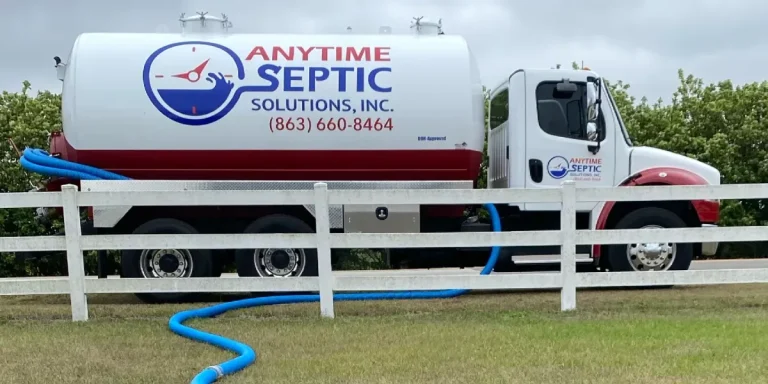
At Anytime Septic Solutions, we provide fast-response septic pumping services throughout Polk County, including Lake Wales, Winter Haven, Davenport, and Haines City. Our team arrives ready to locate the tank, remove waste, and assess the condition of the system.
This is not just about removing waste, it’s about making sure there isn’t an underlying issue that caused the tank to fill prematurely.
Avoid Common Mistakes That Make It Worse
When homeowners try to fix septic problems on their own, it often leads to bigger repairs. There are a few things that should be avoided entirely:
-
- Chemical drain cleaners, which do not fix a full tank and can damage the system
- Septic additives marketed as quick fixes, which rarely solve the problem
- Continued water use, which pushes more waste into an already overloaded system
If sewage is visible outside or backing up inside, keep people and pets away from affected areas. Untreated wastewater carries bacteria and creates health risks that shouldn’t be ignored.
What Happens During a Septic Pumping Service
Many homeowners are not familiar with what actually happens during a septic pumping appointment. Understanding the process helps set expectations and explains why it’s more than just removing waste.
-
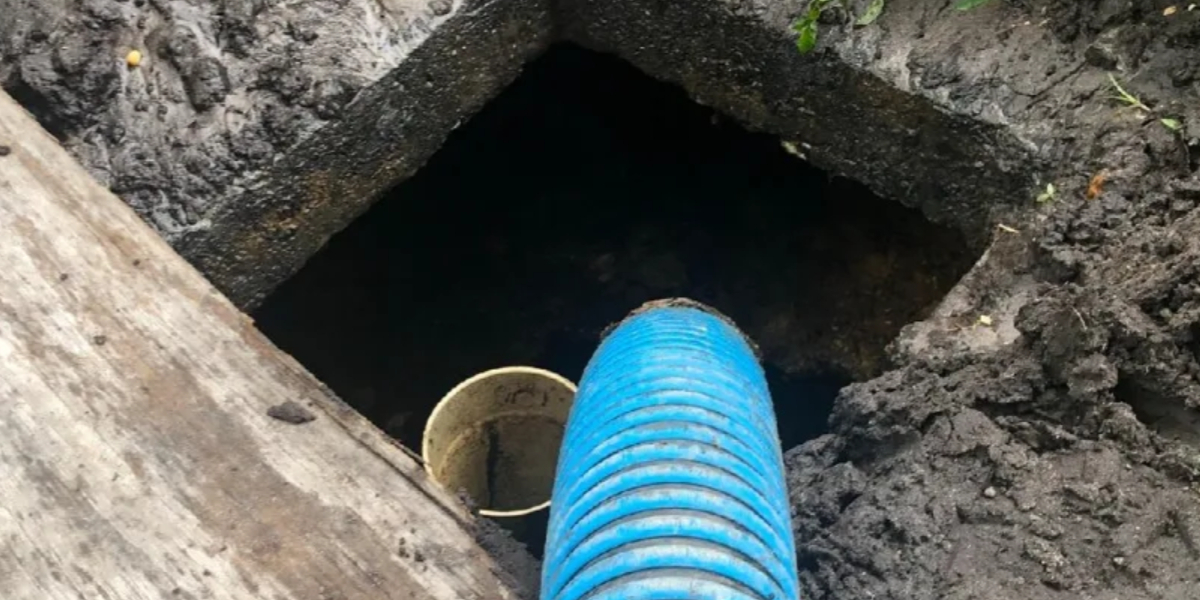
- The septic tank is located and access lids are opened
- All liquid and solid waste is pumped out completely
- The tank interior is checked for cracks, leaks, or structural issues
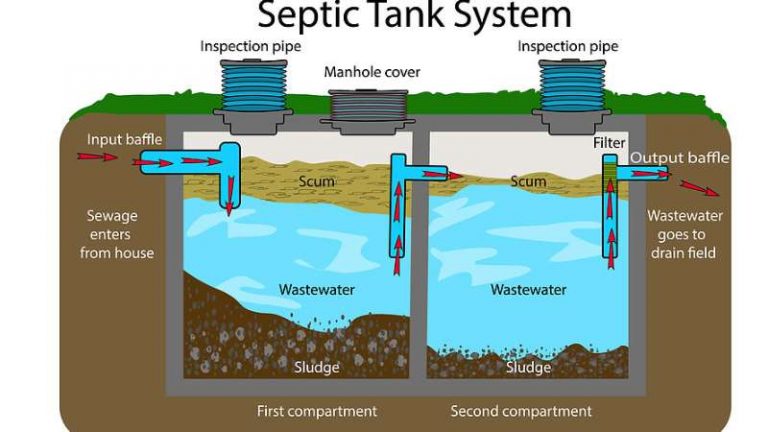
- Filters, baffles, and outlet components are inspected
This inspection step is important because it often reveals problems early, before they turn into system failure. If your tank has not been serviced in several years, there is a good chance solids have built up to the point where flow is restricted.
Why Septic Tanks Fill Up Faster Than Expected
While every septic system eventually needs pumping, some systems reach that point much sooner due to a combination of usage habits, maintenance gaps, and underlying performance issues. In many cases, it’s not just one factor, it’s a buildup of smaller problems that reduce the system’s ability to process wastewater efficiently. Identifying what’s causing the tank to fill quickly is the key to preventing repeat backups and avoiding more serious repairs.
Missed or delayed maintenance is the most common starting point. Over time, solids naturally accumulate in the tank and need to be removed through routine pumping. When this is delayed, those solids take up more space, reduce capacity, and eventually restrict normal flow out to the drain field. Once that happens, even regular daily water use can push the system past its limit.
High household water usage can accelerate the problem, especially in larger households or homes with frequent laundry, long showers, or constant water demand. Septic systems are designed to handle a steady flow, not large surges. Even something as simple as a leaking toilet or faucet can continuously add water into the system, gradually overwhelming it without the homeowner realizing it.
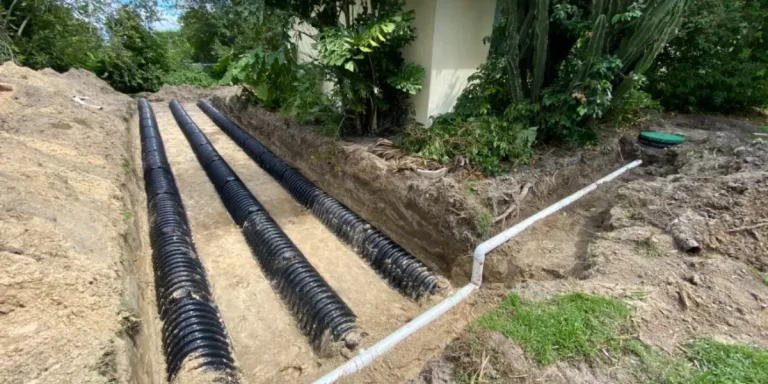
Drain field restrictions or early failure are another major factor. The septic tank is only one part of the system, it relies on the drain field to properly disperse and treat wastewater. If the soil becomes compacted, saturated, or clogged, wastewater cannot leave the tank efficiently. When that happens, the tank fills up quickly, even if it was recently pumped. This is one of the more serious situations and usually requires a professional inspection to confirm the extent of the issue.
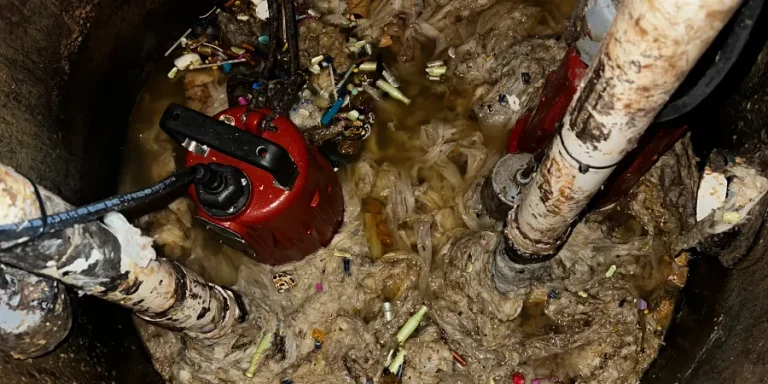
Improper materials entering the system also play a significant role in reducing system performance. Septic systems are designed to break down organic waste, not synthetic or grease-heavy materials. When the wrong items are introduced, they accumulate faster, disrupt the bacterial balance inside the tank, and increase the likelihood of blockages or premature filling.
-
-
-
- “Flushable” wipes and hygiene products that do not break down properly
- Grease, oil, and food waste that solidify and build up inside the tank
- Harsh chemicals and cleaners that interfere with natural breakdown processes
-
-
When these factors combine, the result is a system that fills faster than expected and becomes more prone to backups. Addressing the root cause, not just pumping the tank, is what keeps the problem from coming back.
When Pumping Isn’t Enough
In many cases, pumping restores normal function. However, if problems continue after the tank is emptied, there is likely a deeper issue within the system.
-
- Failing drain field that can no longer absorb wastewater
- Blocked or damaged lines between the home and tank
- Internal tank damage affecting flow and separation
- System sizing issues that do not match the household demand
This is where a full septic system inspection becomes critical. At Anytime Septic Solutions, we evaluate the entire system to determine whether a repair, adjustment, or full replacement is needed.
If necessary, we can walk you through septic system installation options that are better suited to your property and long-term use.
How to Prevent a Full Septic Tank in the Future
Once your system is back to working properly, the focus shifts to keeping it that way. Most septic emergencies are avoidable with consistent maintenance and a few practical habits around water use and waste disposal. The goal is simple, keep solids from building up too quickly and avoid putting unnecessary strain on the system.
Stay on a Reliable Pumping Schedule
For most homes, septic pumping every 3 to 5 years is enough to keep the system operating as designed. Homes with higher occupancy or heavier water usage may need service sooner. Waiting too long allows solids to accumulate to the point where they begin restricting flow, which is what leads to backups and drain field issues.
Be Selective About What Enters the System
Septic systems are built to handle organic waste, not everything that can be flushed or rinsed down a drain. Introducing the wrong materials is one of the fastest ways to shorten the time between pump-outs and increase the risk of clogs or system damage.
-
-
-
- Flush only human waste and toilet paper
- Avoid grease, oils, and food waste entering the system
- Limit garbage disposal use, especially with heavier materials
-
-
These habits alone can significantly reduce buildup inside the tank and help maintain proper separation of solids and liquids.
Manage Water Usage Throughout the Week
Septic systems work best with a steady, predictable flow of wastewater. Large surges, such as multiple laundry loads in a single day or extended high water use, can overwhelm the system and push partially treated wastewater through too quickly.
Spreading water use out over several days, repairing leaks early, and avoiding unnecessary strain helps the system keep up with demand and reduces the likelihood of backups.
Protect the Drain Field From Damage and Saturation
The drain field is where most of the treatment actually happens, so keeping that area in good condition is critical. Once it becomes compacted, flooded, or blocked, the entire system is affected.
-
-
-
- Keep vehicles and heavy equipment off the drain field area
- Direct roof runoff and surface water away from the system
- Avoid planting trees or shrubs nearby that can interfere with underground lines
-
-
Taking care of the drain field ensures wastewater can move and disperse properly, which directly impacts how long your system lasts.
Consistent maintenance, controlled water use, and keeping the wrong materials out of the system are what prevent most septic problems. When those three areas are handled properly, full tanks and emergency calls become much less likely.
Proudly Serving Polk County, Florida
We provide septic pumping, inspections, and system services throughout Polk County, including:
Get Your Septic System Back Under Control
If your septic tank is full, waiting only increases the risk of backups, property damage, and expensive repairs.
What starts as slow drains can quickly turn into a system failure that affects your home and yard. The sooner the tank is pumped and the system is checked, the easier and more affordable the solution usually is.
Call Anytime Septic Solutions or request an estimate online to schedule service. We’ll identify the issue, restore proper function, and help you prevent the same problem from happening again.