How Often Should You Pump a Septic Tank?
Septic pumping is one of those services most homeowners don’t think about until something goes wrong. Across Polk County, from Lakeland to Winter Haven, Davenport, and Lake Wales, it’s common for systems to go years without maintenance simply because everything appears to be working. The problem is that septic systems don’t stop working all at once, they slowly lose capacity until they reach a point where issues start showing up.
At Anytime Septic Solutions, we handle septic tank pumping, system inspections, and full repair and replacement services throughout Polk County. If you’re unsure how often your tank should be pumped, here’s what determines your schedule and what happens if you wait too long.
How Often Should a Septic Tank Be Pumped?
Most residential septic tanks should be pumped every 3 to 5 years, but that’s only a general guideline. The right schedule depends on how the system is used, how many people are in the home, and how much water is being processed on a daily basis. In higher-use homes, waiting the full 5 years can already put the system under stress.
-
- 2–3 years for larger households or high water usage
- 3–5 years for average residential homes
- More frequent service if using a garbage disposal heavily
- Shorter intervals for older systems or smaller tanks
The most accurate way to determine your schedule is through a septic system inspection, where sludge levels and system performance can be evaluated directly. Anytime Septic Solutions provides these evaluations throughout Polk County to help homeowners stay ahead of maintenance instead of reacting to problems.
What Affects How Often You Need Pumping
No two septic systems operate exactly the same way. Several factors influence how quickly solids build up inside the tank and how often pumping is required.
-
- Household size, more people means more wastewater
- Water usage habits, including laundry and long showers
- Tank size and overall system design
- Materials entering the system, such as grease or wipes
Homes in areas like Haines City, Polk City, and Plant City often have varying soil conditions and system types, which can also influence how efficiently wastewater is processed. This is why relying on a fixed timeline alone isn’t always enough.
Early vs Late Warning Signs of a Full Tank
Septic systems usually give warning signs before they fail, but those signs are often subtle at first. Understanding the difference between early and late symptoms helps prevent minor issues from turning into major problems.
Early warning signs may include slightly slower drains, occasional gurgling sounds, or minor odors outside near the yard. These symptoms often appear during heavy water use and may seem inconsistent.
Late warning signs indicate the system is no longer functioning properly:
-
- Multiple drains slowing down at once
- Sewage odors inside the home
- Standing water near the drain field
- Wastewater backing up into tubs or lower fixtures
By the time late-stage symptoms appear, the tank is typically beyond full and may already be affecting other parts of the system.
What Happens If You Don’t Pump Your Septic Tank
When septic tanks aren’t pumped on schedule, the system continues to operate while gradually losing capacity. Over time, this leads to a chain reaction of problems that extend beyond the tank itself.
-
- Sludge buildup reduces tank capacity, restricting flow
- Solids enter the drain field, damaging soil absorption
- Recurring backups inside the home
- Increased repair costs as problems spread
Once solids reach the drain field, the issue is no longer just maintenance. It often requires repairs or a full system replacement, which is significantly more expensive than routine pumping.
What To Do If You’re Overdue for Pumping
If you’re not sure when your tank was last pumped, or you know it’s overdue, the best step is to address it before symptoms get worse. Waiting longer only increases the risk of backups and damage.
Schedule a Septic Inspection First
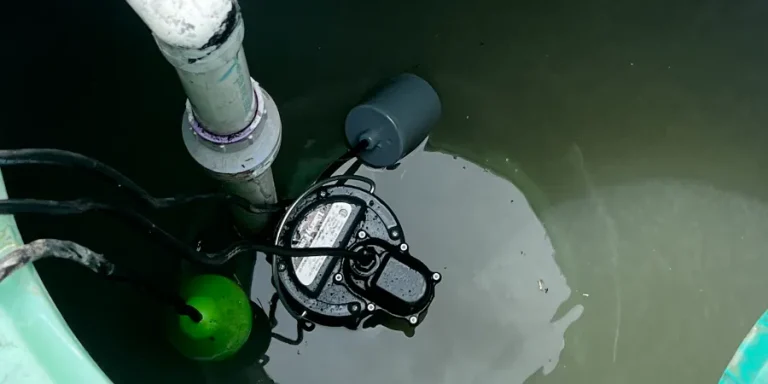
A septic inspection helps determine how full the tank is and whether any damage has already occurred. This step ensures the right solution is recommended based on the system’s condition.
Pump the Tank to Restore Capacity
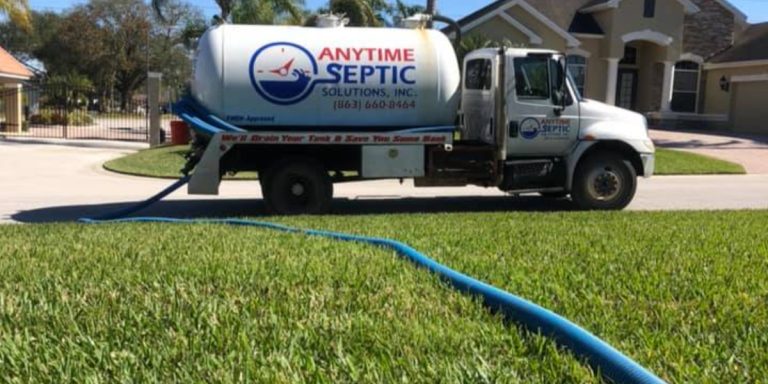
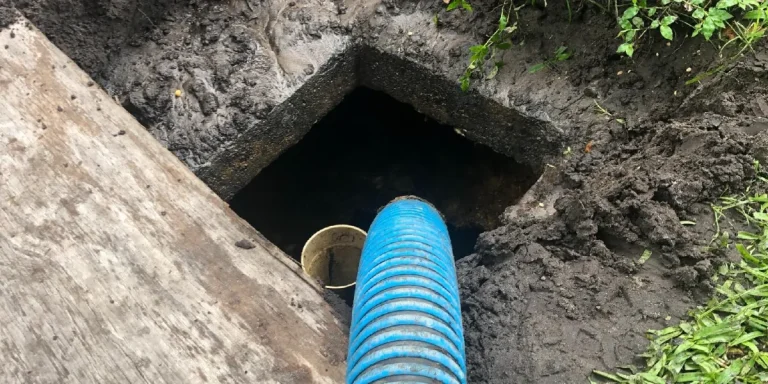
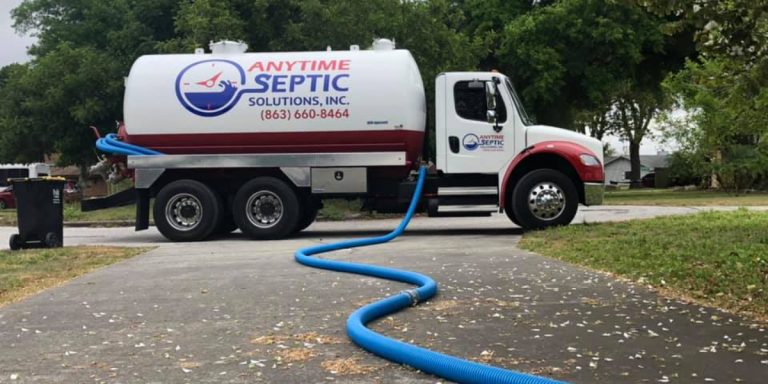
A complete septic tank pumping removes built-up solids and restores normal function. In many cases, this resolves early-stage symptoms immediately.
Address Any Additional Issues Early
If the inspection reveals problems beyond the tank, such as drain field issues or restricted lines, handling them early prevents larger failures. For more extensive repairs, financing options are available to help move forward without delay.
Taking action at this stage is what keeps maintenance simple and avoids major repairs.
How to Stay on Track With Septic Maintenance
Keeping your septic system on a consistent schedule is the most reliable way to avoid backups, unexpected repairs, and long-term system damage. Most of the major issues we see across Polk County are not caused by defective systems, they come from missed maintenance, unknown pumping history, or usage habits that slowly overload the tank over time. When you have a clear plan and stick to it, septic systems tend to perform predictably and last much longer.
Homes in areas like Lakeland, Winter Haven, Davenport, and Lake Wales often have different soil conditions and usage patterns, which means there is no one-size-fits-all schedule. The key is adjusting maintenance based on how your system is actually being used, not just following a general guideline.
Set a Pumping Schedule Based on Usage
Working with Anytime Septic Solutions to establish a realistic pumping schedule is the first step. Household size, daily water usage, and tank size all influence how quickly solids build up. A smaller household may be able to stretch closer to 5 years, while larger families or homes with heavy water use may need septic pumping every 2 to 3 years to stay ahead of buildup. Setting the right interval prevents the system from ever reaching the point where flow becomes restricted.
Schedule Inspections Periodically
Routine septic inspections provide a clearer picture of what’s happening inside the system. Instead of guessing based on time alone, inspections allow sludge levels, flow conditions, and early warning signs to be evaluated directly. This is especially important for older systems or properties where maintenance history is unclear, as it helps catch developing issues before they turn into backups or drain field problems.
Be Mindful of System Usage
How the system is used day to day has a direct impact on how often maintenance is needed. Grease, wipes, and harsh chemicals do not break down properly and contribute to faster accumulation inside the tank. At the same time, excessive water use, such as running multiple loads of laundry in one day or long showers back-to-back, can overwhelm the system and push solids through before they have time to settle. Being more controlled with what enters the system helps maintain proper function and reduces stress on both the tank and drain field.
When these habits are followed consistently, septic systems remain far more predictable. Maintenance stays simple, costs stay lower, and the likelihood of dealing with backups or major repairs is significantly reduced over time.
Proudly Serving Polk County, Florida
We provide septic pumping, inspections, and system services throughout Polk County, including:
From residential neighborhoods in Lakeland to rural properties outside Polk City, Anytime Septic Solutions understands the septic systems and conditions unique to Central Florida.
Stay Ahead of Septic Problems
If you’re not sure when your septic tank was last pumped, it’s better to find out now than wait for a backup.
Routine maintenance is what keeps your system working properly and avoids expensive repairs. The sooner your system is inspected and serviced, the easier it is to keep everything running as it should.
Call Anytime Septic Solutions or request an estimate online to schedule your septic service.